
];
} elseif ( $request->get_header( 'user_agent' ) ) {
$prepared_comment['comment_agent'] = $request->get_header( 'user_agent' );
}
if ( ! empty( $request['date'] ) ) {
$date_data = rest_get_date_with_gmt( $request['date'] );
if ( ! empty( $date_data ) ) {
list( $prepared_comment['comment_date'], $prepared_comment['comment_date_gmt'] ) = $date_data;
}
} elseif ( ! empty( $request['date_gmt'] ) ) {
$date_data = rest_get_date_with_gmt( $request['date_gmt'], true );
if ( ! empty( $date_data ) ) {
list( $prepared_comment['comment_date'], $prepared_comment['comment_date_gmt'] ) = $date_data;
}
}
/**
* Filters a comment added via the REST API after it is prepared for insertion into the database.
*
* Allows modification of the comment right after it is prepared for the database.
*
* @since 4.7.0
*
* @param array $prepared_comment The prepared comment data for `wp_insert_comment`.
* @param WP_REST_Request $request The current request.
*/
return apply_filters( 'rest_preprocess_comment', $prepared_comment, $request );
}
/**
* Retrieves the comment's schema, conforming to JSON Schema.
*
* @since 4.7.0
*
* @return array
*/
public function get_item_schema() {
if ( $this->schema ) {
return $this->add_additional_fields_schema( $this->schema );
}
$schema = array(
'$schema' => 'http://json-schema.org/draft-04/schema#',
'title' => 'comment',
'type' => 'object',
'properties' => array(
'id' => array(
'description' => __( 'Unique identifier for the comment.' ),
'type' => 'integer',
'context' => array( 'view', 'edit', 'embed' ),
'readonly' => true,
),
'author' => array(
'description' => __( 'The ID of the user object, if author was a user.' ),
'type' => 'integer',
'context' => array( 'view', 'edit', 'embed' ),
),
'author_email' => array(
'description' => __( 'Email address for the comment author.' ),
'type' => 'string',
'format' => 'email',
'context' => array( 'edit' ),
'arg_options' => array(
'sanitize_callback' => array( $this, 'check_comment_author_email' ),
'validate_callback' => null, // Skip built-in validation of 'email'.
),
),
'author_ip' => array(
'description' => __( 'IP address for the comment author.' ),
'type' => 'string',
'format' => 'ip',
'context' => array( 'edit' ),
),
'author_name' => array(
'description' => __( 'Display name for the comment author.' ),
'type' => 'string',
'context' => array( 'view', 'edit', 'embed' ),
'arg_options' => array(
'sanitize_callback' => 'sanitize_text_field',
),
),
'author_url' => array(
'description' => __( 'URL for the comment author.' ),
'type' => 'string',
'format' => 'uri',
'context' => array( 'view', 'edit', 'embed' ),
),
'author_user_agent' => array(
'description' => __( 'User agent for the comment author.' ),
'type' => 'string',
'context' => array( 'edit' ),
'arg_options' => array(
'sanitize_callback' => 'sanitize_text_field',
),
),
'content' => array(
'description' => __( 'The content for the comment.' ),
'type' => 'object',
'context' => array( 'view', 'edit', 'embed' ),
'arg_options' => array(
'sanitize_callback' => null, // Note: sanitization implemented in self::prepare_item_for_database().
'validate_callback' => null, // Note: validation implemented in self::prepare_item_for_database().
),
'properties' => array(
'raw' => array(
'description' => __( 'Content for the comment, as it exists in the database.' ),
'type' => 'string',
'context' => array( 'edit' ),
),
'rendered' => array(
'description' => __( 'HTML content for the comment, transformed for display.' ),
'type' => 'string',
'context' => array( 'view', 'edit', 'embed' ),
'readonly' => true,
),
),
),
'date' => array(
'description' => __( "The date the comment was published, in the site's timezone." ),
'type' => 'string',
'format' => 'date-time',
'context' => array( 'view', 'edit', 'embed' ),
),
'date_gmt' => array(
'description' => __( 'The date the comment was published, as GMT.' ),
'type' => 'string',
'format' => 'date-time',
'context' => array( 'view', 'edit' ),
),
'link' => array(
'description' => __( 'URL to the comment.' ),
'type' => 'string',
'format' => 'uri',
'context' => array( 'view', 'edit', 'embed' ),
'readonly' => true,
),
'parent' => array(
'description' => __( 'The ID for the parent of the comment.' ),
'type' => 'integer',
'context' => array( 'view', 'edit', 'embed' ),
'default' => 0,
),
'post' => array(
'description' => __( 'The ID of the associated post object.' ),
'type' => 'integer',
'context' => array( 'view', 'edit' ),
'default' => 0,
),
'status' => array(
'description' => __( 'State of the comment.' ),
'type' => 'string',
'context' => array( 'view', 'edit' ),
'arg_options' => array(
'sanitize_callback' => 'sanitize_key',
),
),
'type' => array(
'description' => __( 'Type of the comment.' ),
'type' => 'string',
'context' => array( 'view', 'edit', 'embed' ),
'readonly' => true,
),
),
);
if ( get_option( 'show_avatars' ) ) {
$avatar_properties = array();
$avatar_sizes = rest_get_avatar_sizes();
foreach ( $avatar_sizes as $size ) {
$avatar_properties[ $size ] = array(
/* translators: %d: Avatar image size in pixels. */
'description' => sprintf( __( 'Avatar URL with image size of %d pixels.' ), $size ),
'type' => 'string',
'format' => 'uri',
'context' => array( 'embed', 'view', 'edit' ),
);
}
$schema['properties']['author_avatar_urls'] = array(
'description' => __( 'Avatar URLs for the comment author.' ),
'type' => 'object',
'context' => array( 'view', 'edit', 'embed' ),
'readonly' => true,
'properties' => $avatar_properties,
);
}
$schema['properties']['meta'] = $this->meta->get_field_schema();
$this->schema = $schema;
return $this->add_additional_fields_schema( $this->schema );
}
/**
* Retrieves the query params for collections.
*
* @since 4.7.0
*
* @return array Comments collection parameters.
*/
public function get_collection_params() {
$query_params = parent::get_collection_params();
$query_params['context']['default'] = 'view';
$query_params['after'] = array(
'description' => __( 'Limit response to comments published after a given ISO8601 compliant date.' ),
'type' => 'string',
'format' => 'date-time',
);
$query_params['author'] = array(
'description' => __( 'Limit result set to comments assigned to specific user IDs. Requires authorization.' ),
'type' => 'array',
'items' => array(
'type' => 'integer',
),
);
$query_params['author_exclude'] = array(
'description' => __( 'Ensure result set excludes comments assigned to specific user IDs. Requires authorization.' ),
'type' => 'array',
'items' => array(
'type' => 'integer',
),
);
$query_params['author_email'] = array(
'default' => null,
'description' => __( 'Limit result set to that from a specific author email. Requires authorization.' ),
'format' => 'email',
'type' => 'string',
);
$query_params['before'] = array(
'description' => __( 'Limit response to comments published before a given ISO8601 compliant date.' ),
'type' => 'string',
'format' => 'date-time',
);
$query_params['exclude'] = array(
'description' => __( 'Ensure result set excludes specific IDs.' ),
'type' => 'array',
'items' => array(
'type' => 'integer',
),
'default' => array(),
);
$query_params['include'] = array(
'description' => __( 'Limit result set to specific IDs.' ),
'type' => 'array',
'items' => array(
'type' => 'integer',
),
'default' => array(),
);
$query_params['offset'] = array(
'description' => __( 'Offset the result set by a specific number of items.' ),
'type' => 'integer',
);
$query_params['order'] = array(
'description' => __( 'Order sort attribute ascending or descending.' ),
'type' => 'string',
'default' => 'desc',
'enum' => array(
'asc',
'desc',
),
);
$query_params['orderby'] = array(
'description' => __( 'Sort collection by comment attribute.' ),
'type' => 'string',
'default' => 'date_gmt',
'enum' => array(
'date',
'date_gmt',
'id',
'include',
'post',
'parent',
'type',
),
);
$query_params['parent'] = array(
'default' => array(),
'description' => __( 'Limit result set to comments of specific parent IDs.' ),
'type' => 'array',
'items' => array(
'type' => 'integer',
),
);
$query_params['parent_exclude'] = array(
'default' => array(),
'description' => __( 'Ensure result set excludes specific parent IDs.' ),
'type' => 'array',
'items' => array(
'type' => 'integer',
),
);
$query_params['post'] = array(
'default' => array(),
'description' => __( 'Limit result set to comments assigned to specific post IDs.' ),
'type' => 'array',
'items' => array(
'type' => 'integer',
),
);
$query_params['status'] = array(
'default' => 'approve',
'description' => __( 'Limit result set to comments assigned a specific status. Requires authorization.' ),
'sanitize_callback' => 'sanitize_key',
'type' => 'string',
'validate_callback' => 'rest_validate_request_arg',
);
$query_params['type'] = array(
'default' => 'comment',
'description' => __( 'Limit result set to comments assigned a specific type. Requires authorization.' ),
'sanitize_callback' => 'sanitize_key',
'type' => 'string',
'validate_callback' => 'rest_validate_request_arg',
);
$query_params['password'] = array(
'description' => __( 'The password for the post if it is password protected.' ),
'type' => 'string',
);
/**
* Filters REST API collection parameters for the comments controller.
*
* This filter registers the collection parameter, but does not map the
* collection parameter to an internal WP_Comment_Query parameter. Use the
* `rest_comment_query` filter to set WP_Comment_Query parameters.
*
* @since 4.7.0
*
* @param array $query_params JSON Schema-formatted collection parameters.
*/
return apply_filters( 'rest_comment_collection_params', $query_params );
}
/**
* Sets the comment_status of a given comment object when creating or updating a comment.
*
* @since 4.7.0
*
* @param string|int $new_status New comment status.
* @param int $comment_id Comment ID.
* @return bool Whether the status was changed.
*/
protected function handle_status_param( $new_status, $comment_id ) {
$old_status = wp_get_comment_status( $comment_id );
if ( $new_status === $old_status ) {
return false;
}
switch ( $new_status ) {
case 'approved':
case 'approve':
case '1':
$changed = wp_set_comment_status( $comment_id, 'approve' );
break;
case 'hold':
case '0':
$changed = wp_set_comment_status( $comment_id, 'hold' );
break;
case 'spam':
$changed = wp_spam_comment( $comment_id );
break;
case 'unspam':
$changed = wp_unspam_comment( $comment_id );
break;
case 'trash':
$changed = wp_trash_comment( $comment_id );
break;
case 'untrash':
$changed = wp_untrash_comment( $comment_id );
break;
default:
$changed = false;
break;
}
return $changed;
}
/**
* Checks if the post can be read.
*
* Correctly handles posts with the inherit status.
*
* @since 4.7.0
*
* @param WP_Post $post Post object.
* @param WP_REST_Request $request Request data to check.
* @return bool Whether post can be read.
*/
protected function check_read_post_permission( $post, $request ) {
$post_type = get_post_type_object( $post->post_type );
// Return false if custom post type doesn't exist
if ( ! $post_type ) {
return false;
}
$posts_controller = $post_type->get_rest_controller();
/*
* Ensure the posts controller is specifically a WP_REST_Posts_Controller instance
* before using methods specific to that controller.
*/
if ( ! $posts_controller instanceof WP_REST_Posts_Controller ) {
$posts_controller = new WP_REST_Posts_Controller( $post->post_type );
}
$has_password_filter = false;
// Only check password if a specific post was queried for or a single comment
$requested_post = ! empty( $request['post'] ) && ( ! is_array( $request['post'] ) || 1 === count( $request['post'] ) );
$requested_comment = ! empty( $request['id'] );
if ( ( $requested_post || $requested_comment ) && $posts_controller->can_access_password_content( $post, $request ) ) {
add_filter( 'post_password_required', '__return_false' );
$has_password_filter = true;
}
if ( post_password_required( $post ) ) {
$result = current_user_can( 'edit_post', $post->ID );
} else {
$result = $posts_controller->check_read_permission( $post );
}
if ( $has_password_filter ) {
remove_filter( 'post_password_required', '__return_false' );
}
return $result;
}
/**
* Checks if the comment can be read.
*
* @since 4.7.0
*
* @param WP_Comment $comment Comment object.
* @param WP_REST_Request $request Request data to check.
* @return bool Whether the comment can be read.
*/
protected function check_read_permission( $comment, $request ) {
if ( ! empty( $comment->comment_post_ID ) ) {
$post = get_post( $comment->comment_post_ID );
if ( $post ) {
if ( $this->check_read_post_permission( $post, $request ) && 1 === (int) $comment->comment_approved ) {
return true;
}
}
}
if ( 0 === get_current_user_id() ) {
return false;
}
if ( empty( $comment->comment_post_ID ) && ! current_user_can( 'moderate_comments' ) ) {
return false;
}
if ( ! empty( $comment->user_id ) && get_current_user_id() === (int) $comment->user_id ) {
return true;
}
return current_user_can( 'edit_comment', $comment->comment_ID );
}
/**
* Checks if a comment can be edited or deleted.
*
* @since 4.7.0
*
* @param WP_Comment $comment Comment object.
* @return bool Whether the comment can be edited or deleted.
*/
protected function check_edit_permission( $comment ) {
if ( 0 === (int) get_current_user_id() ) {
return false;
}
if ( current_user_can( 'moderate_comments' ) ) {
return true;
}
return current_user_can( 'edit_comment', $comment->comment_ID );
}
/**
* Checks a comment author email for validity.
*
* Accepts either a valid email address or empty string as a valid comment
* author email address. Setting the comment author email to an empty
* string is allowed when a comment is being updated.
*
* @since 4.7.0
*
* @param string $value Author email value submitted.
* @param WP_REST_Request $request Full details about the request.
* @param string $param The parameter name.
* @return string|WP_Error The sanitized email address, if valid,
* otherwise an error.
*/
public function check_comment_author_email( $value, $request, $param ) {
$email = (string) $value;
if ( empty( $email ) ) {
return $email;
}
$check_email = rest_validate_request_arg( $email, $request, $param );
if ( is_wp_error( $check_email ) ) {
return $check_email;
}
return $email;
}
/**
* If empty comments are not allowed, checks if the provided comment content is not empty.
*
* @since 5.6.0
*
* @param array $prepared_comment The prepared comment data.
* @return bool True if the content is allowed, false otherwise.
*/
protected function check_is_comment_content_allowed( $prepared_comment ) {
$check = wp_parse_args(
$prepared_comment,
array(
'comment_post_ID' => 0,
'comment_author' => null,
'comment_author_email' => null,
'comment_author_url' => null,
'comment_parent' => 0,
'user_id' => 0,
)
);
/** This filter is documented in wp-includes/comment.php */
$allow_empty = apply_filters( 'allow_empty_comment', false, $check );
if ( $allow_empty ) {
return true;
}
/*
* Do not allow a comment to be created with missing or empty
* comment_content. See wp_handle_comment_submission().
*/
return '' !== $check['comment_content'];
}
/**
* Checks that a post can receive a comment from the current user.
*
* Used when changing the parent post of an existing comment, so that
* attaching a comment to a post is authorized the same way whichever
* path it arrives by.
*
* @since 7.1.0
*
* @param int $post_id Target post ID.
* @return true|WP_Error True if the post can receive the comment, error object otherwise.
*/
protected function check_target_post_permission( $post_id ) {
if ( ! $post_id ) {
return new WP_Error(
'rest_comment_invalid_post_id',
__( 'Sorry, you are not allowed to create this comment without a post.' ),
array( 'status' => 403 )
);
}
/*
* A comment needs either comment moderation rights or edit access to the
* post, which is what check_edit_permission() grants on the post a comment
* is moving away from. Requiring the same at the destination means both
* ends of a move are authorized alike.
*/
if ( ! current_user_can( 'moderate_comments' ) && ! current_user_can( 'edit_post', $post_id ) ) {
return new WP_Error(
'rest_cannot_edit',
__( 'Sorry, you are not allowed to edit this comment.' ),
array( 'status' => rest_authorization_required_code() )
);
}
$post = get_post( $post_id );
if ( ! $post ) {
return new WP_Error(
'rest_comment_invalid_post_id',
__( 'Sorry, you are not allowed to create this comment without a post.' ),
array( 'status' => 403 )
);
}
/*
* The create-time draft and comments-open rules are deliberately not applied
* here, because moderators move comments onto posts whose discussion has
* closed and onto drafts today. Enforcing them would break that without
* blocking anything the capability check above already permits.
*/
return true;
}
}
VITAMIN - SELOM Plus
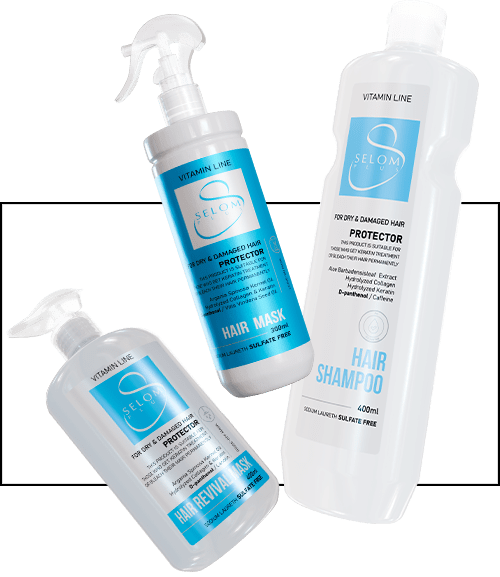
Selom brand has produced unique products for professional hair care, that you can use them at the same time. These products vitaminize your hair and make it strengthen in the shortest time. Selom vitamin shampoo, which is completely Sulfate-free, besides washing the hair completely, removing excess fats and pollution from the skin and hair, strengthens and delivers nutrients and useful substances to the hair strands. Selom no-rinse and with rinse hair masks are other products of this line. Using these products, makes your hair healthy, well-groomed and beautiful in the shortest time. This hair mask contains effective ingredients including keratin and hydrolyzed collagen that will make your hair strengthen.

Selom Vitamin Free-Sulfate Shampoo
In addition to deep washing of the hair, scalp, cleaning impurities and excess fat from the scalp, Selom Vitamin Free-Sulfate Shampoo is also responsible for strengthening and vitaminizing the hair. This shampoo delivers nutrients and essential substances such as aloe vera leaf extract,caffeine,keratin and hydrolysed collagen to the hair strands in a completely professional manner. Selom Vitamin Free-Sulfate Shampoo strengthens and regenerates your hair to always have healthy and shiny hair. Keep in mind, Selom Vitamin Free-Sulfate Shampoo is one of the products from Selom vitamin line.
Features of Selom Vitamin Free-Sulfate Shampoo
● Nourishing hair roots with caffeine ● Ideal for keratinized, bleached and dyed hair ● Protecting the natural state of the hair ● Balancing Scalp Oil ● Prevention of hair loss
How to use Selom vitamin sulfate-free shampoo from Selom vitamin line
● Apply on wet hair ● Make a foam ● Wash with water

Selom Vitamin Rinse hair mask
Selom Vitamin hair mask nourishes and revives dry and damaged hair. If used continuously, it increases hair strength. Regular use of Selom vitamin hair mask, makes the hair soft, resistant and increases the flexibility of the hair. Selom Vitamin hair mask protects the internal structure of the hair professionally due to its excellent ingredients. Hair mask with rinse is one of the products of Selom vitamin line. The best hair mask suitable for dyed hair is Selom hair mask.
The properties of the Selom Vitamin Rinse hair mask from the Selom Vitamin line
● Nourishing hair roots with caffeine ● Ideal for keratinized, bleached and dyed hair ● Protecting the natural state of the hair ● Prevent hair knots ● Protection of hair elasticity
How to use Selom Vitamin Rinse hair mask from Selom Vitamin line
● Apply on wet hair ● Wait 5 to 10 minutes ● Wash with water
Selom vitamin Rinse-Free hair mask
Selom Vitamin hair mask is one of the unique products that you can use on your damp hair after showering. This hair mask will help you to easily provide nutrients and hair needs. It makes your hair more beautiful and healthier. Selom Vitamin hair mask gives you healthy, shiny and flexible hair. Selom hair mask is one of the products of Selom vitamin line.
How to use Selom vitamin sulfate-free hair mask from Selom vitamin line:
● Ideal for keratinized, bleached and dyed hair ● Protection against harmful rays ● Protection of hair strength ● Makes hair easier to comb ● With continuous use, it makes hair Silky
Instructions for using Solom Vitamin Rinse-Out Hair Mask from the Solom Vitamin line:
● Apply on wet hair ● let your hair go And finally ● Enjoy your strong hair
Apply 1 times on the hair and massage from roots to ends and leave on for 1 minute.
Rinse thoroughly.
Apply on washed and towel dried hair.
Leave it act for 5-10 minutes and rinse well
Apply the mask on the hair stem and gently massage.
The ingredients of Selom's vitamin line